Engineered for high efficiency, native resolution decoding, and versatile integration in educational hubs and executive centers in Malabo.
An Industrial Analysis on Digital Infrastructure, Smart Classrooms, and Commercial Display Systems.
Equatorial Guinea, comprising the Insular Region (with its capital Malabo on Bioko Island) and the Continental Region (anchored by Bata), is undergoing a rapid infrastructural transition. Backed by investments in telecom connectivity, such as under-sea fiber-optic cables and nationwide mobile broadband rollouts, there is a surge in demand for visual interface hardware. Educational models are shifting from traditional whiteboards to modern interactive multimedia hubs, while corporations in Malabo II—the nation's central commercial zone—require robust display platforms to coordinate logistics, oil & gas operations, and administrative functions.
Integrating high-brightness, energy-efficient LCD projection systems is central to this visual modernization effort. Because the geographical landscape is characterized by high coastal humidity and tropical temperatures, typical consumer-grade projectors run the risk of premature optical decay. This creates a critical market requirement: Equatorial Guinea needs heavy-duty LCD projectors equipped with highly efficient cooling configurations, dust-free optics, and dynamic digital alignment systems.
Unlike traditional metal-halide high-pressure lamp systems that generate substantial heat and suffer from rapid lumen degradation, modern solid-state LED-based LCD projection technology excels under West-Central African climates. The core advantages include:
Understanding how public institutions, offshore enterprises, and commercial venues utilize LCD Projector hardware.
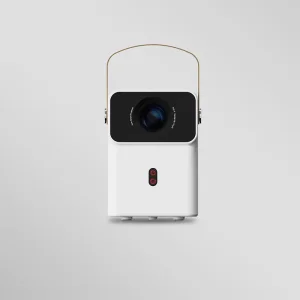
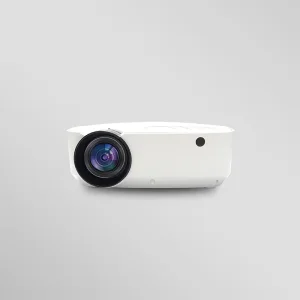
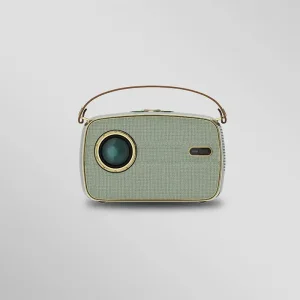
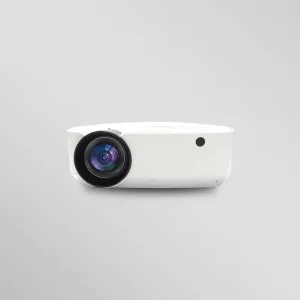
Our distribution models cover specific scenarios across both mainland and insular regions. In the education sector, schools in Bata and Malabo are implementing digitizing initiatives. Compact, portable LCD systems equipped with wireless casting (Miracast/Airplay) like our C03 & C16 models allow teachers to project digital resources via local Wi-Fi or directly from smartphones.
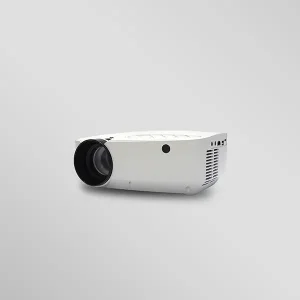
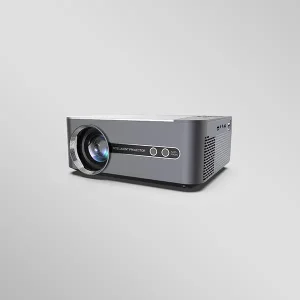
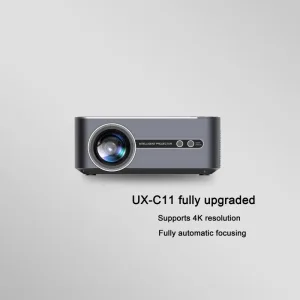
In the corporate realm, oil, gas, and logistic enterprises require systems that interface with enterprise software. Our C11 and C18 Commercial Android Series come equipped with official streaming and document decoders, turning standard meeting rooms into high-resolution boardrooms. Outdoor activities and community hubs in towns like Luba and Mongomo also leverage these projectors for public cinema and mobile advertising, thanks to rugged designs featuring convenient carry handles and high-performance LED lamps.
Delivering precision, volume scalability, and rigorous quality standard certifications directly to Equatorial Guinea buyers.
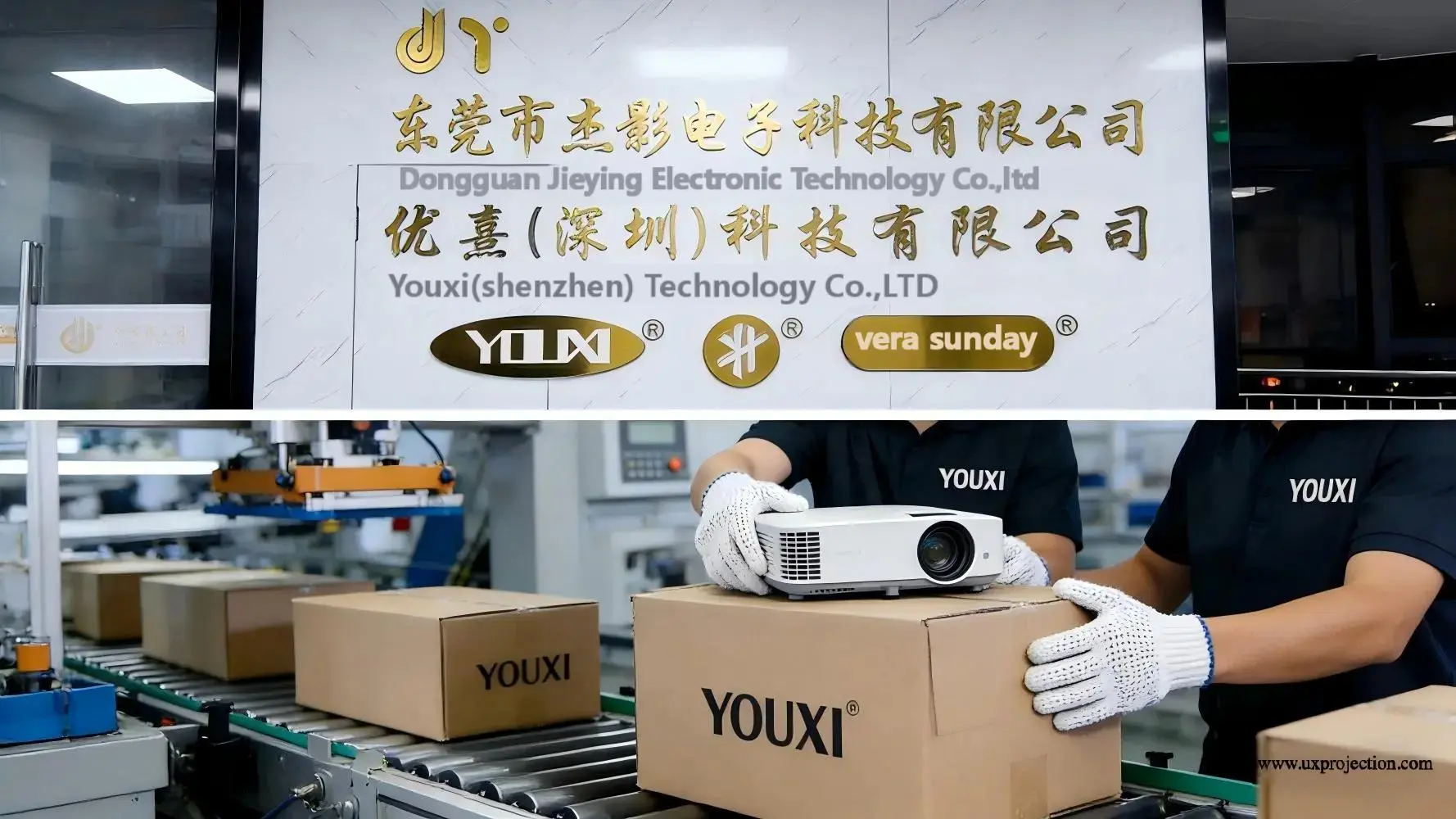
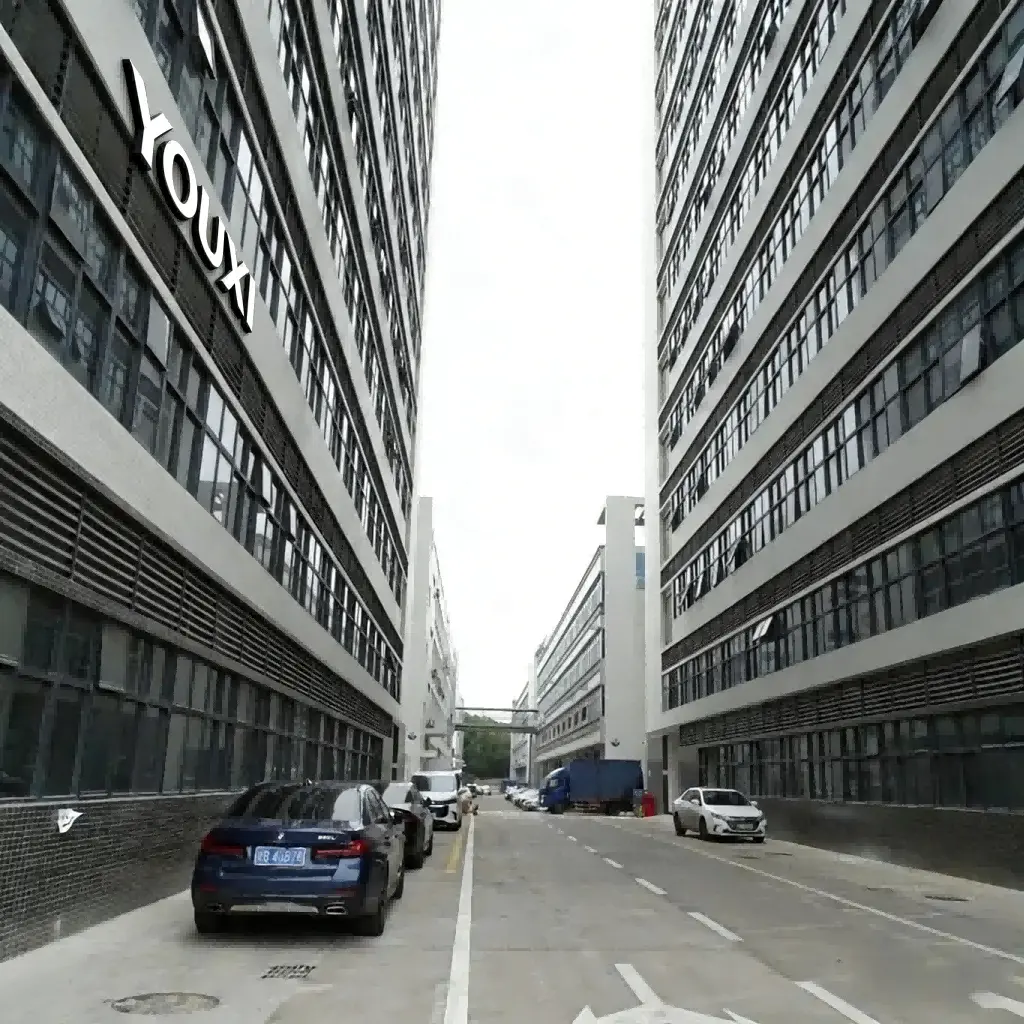
Founded in 2021 by a team with over ten years of specialized experience, we are a forward-looking LED projector manufacturer. Our purpose is to pioneer the sustainable development of projection technology, attracting top domestic technical talent to join our mission. Guided by excellence in quality, innovation, and teamwork, we are dedicated to providing exceptional products and outstanding customer experiences.
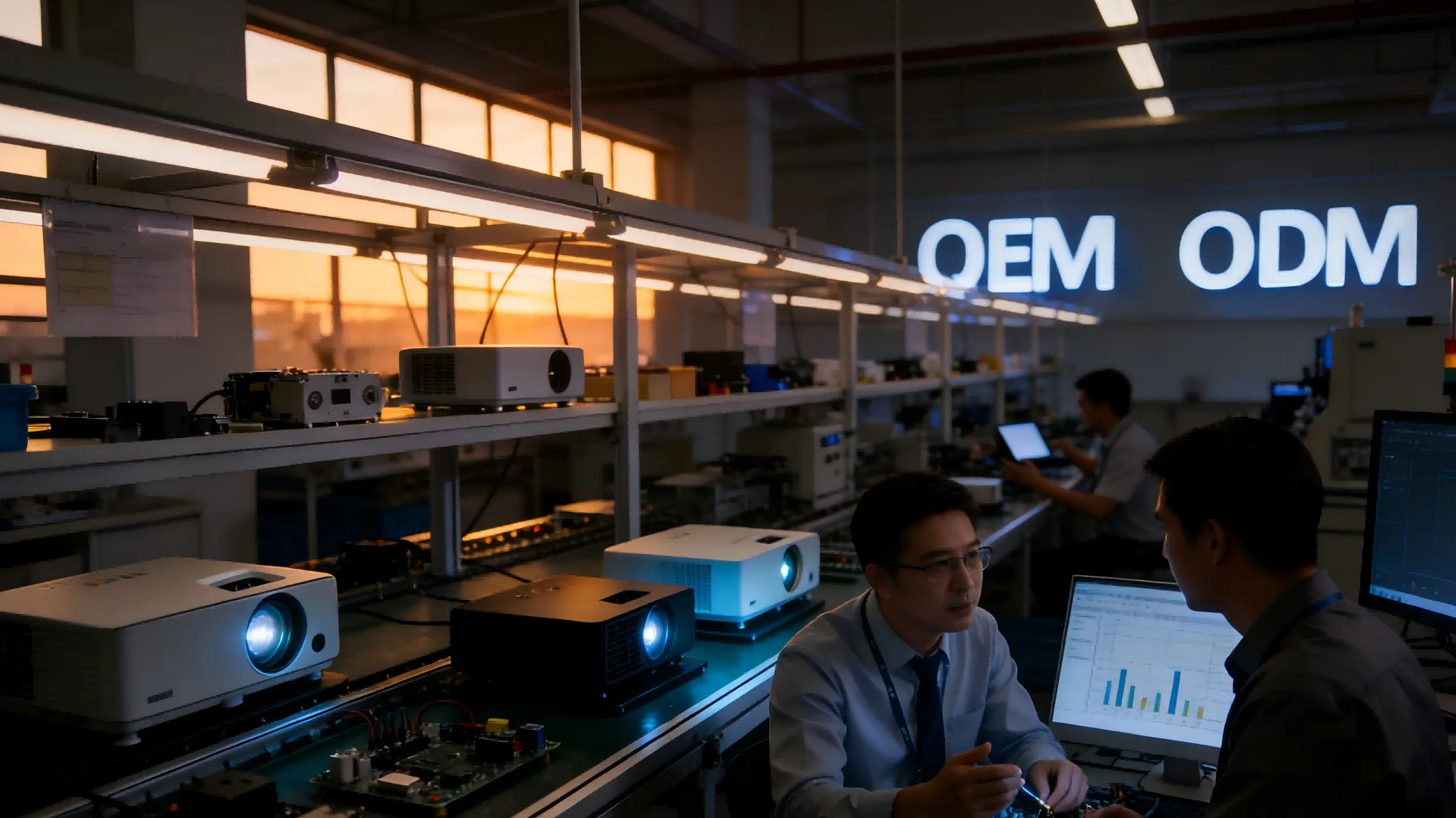
Our production framework is optimized for vertical integration. The mold and injection molding workshop is located next to our factory, equipped with sophisticated digital machines above conventional market standards to ensure a good foundation for each product. This proximity allows for real-time quality feedback loops and rapid tooling adjustments, reducing manufacturing lead times for large-volume B2B orders.
Covering an area of 4000 square meters, our facility is equipped with production, injection molding, assembly, and testing workshops with large volume capacity. Following recent large-scale optimization and screening, our facility is staffed by more than 100 qualified assembly workers, reasonably distributed across departments to ensure efficient workflows and maintain high ethical and professional standards.
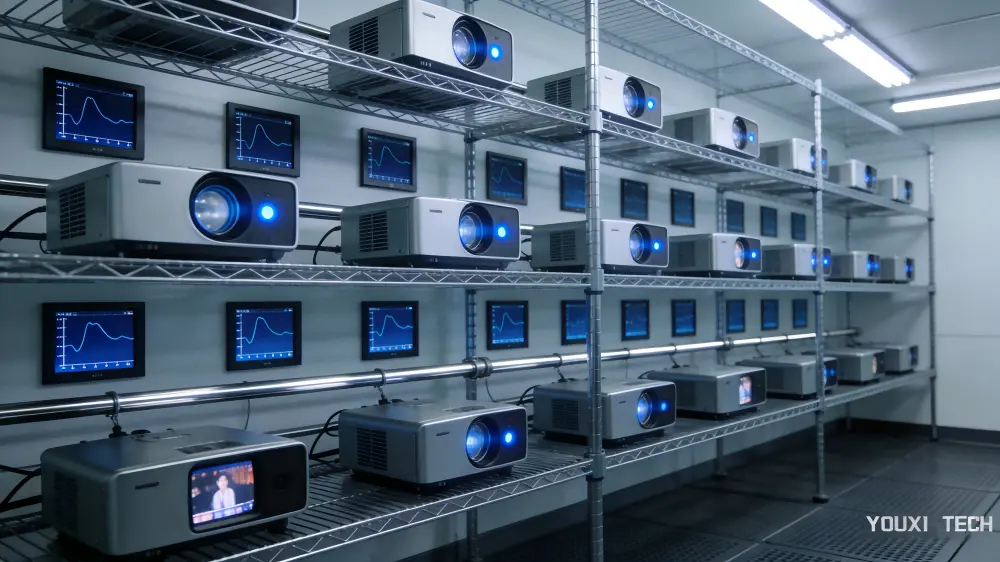
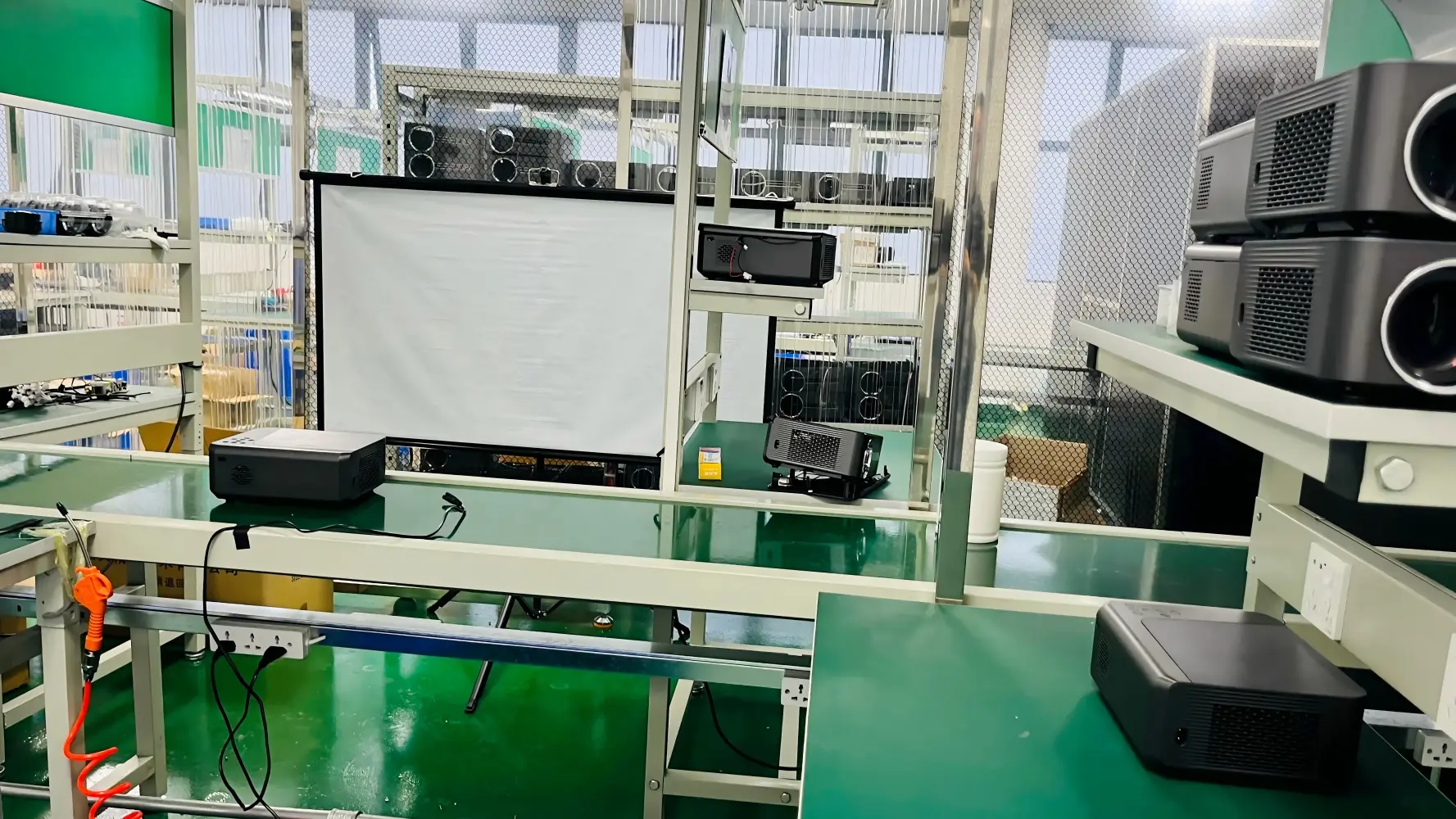
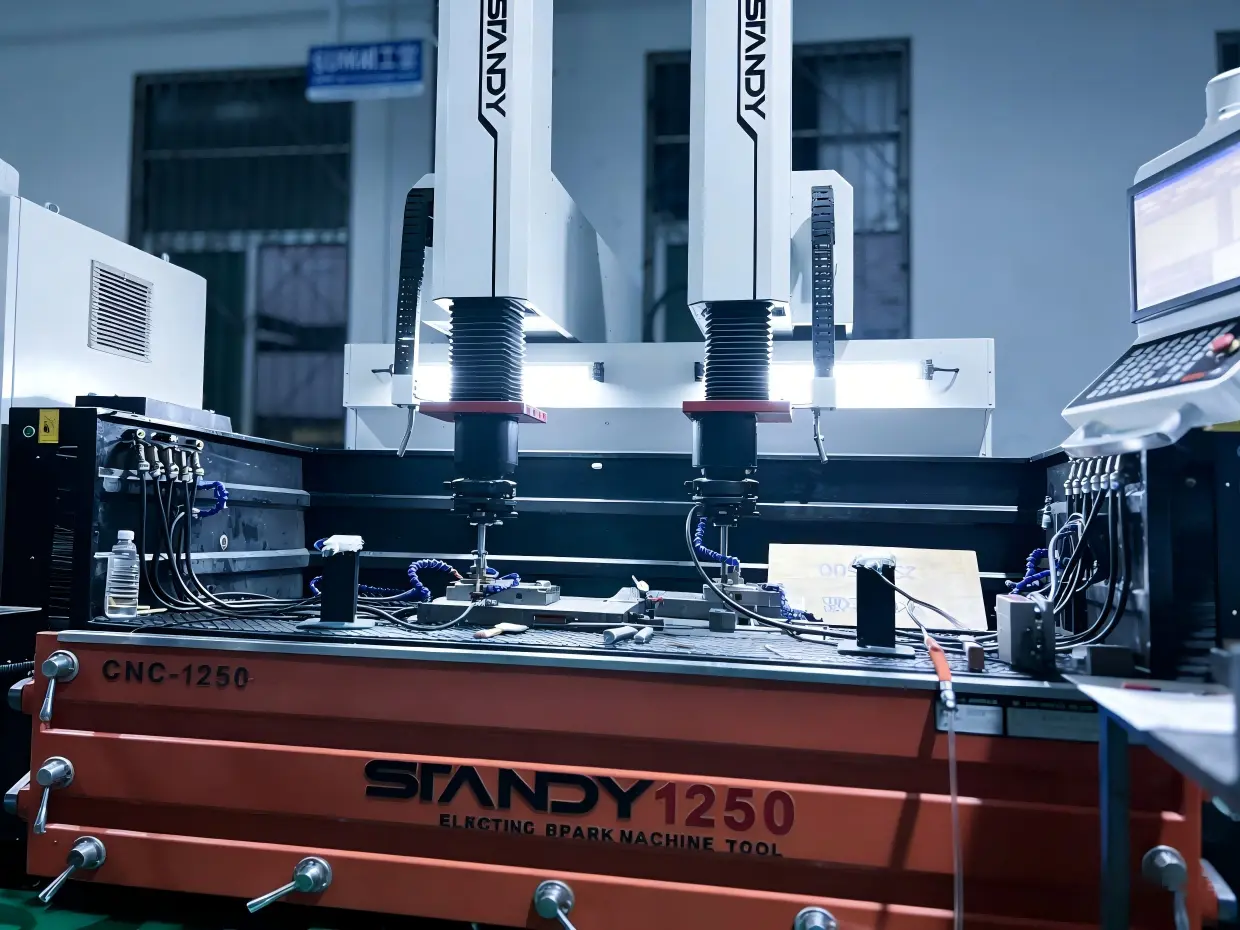
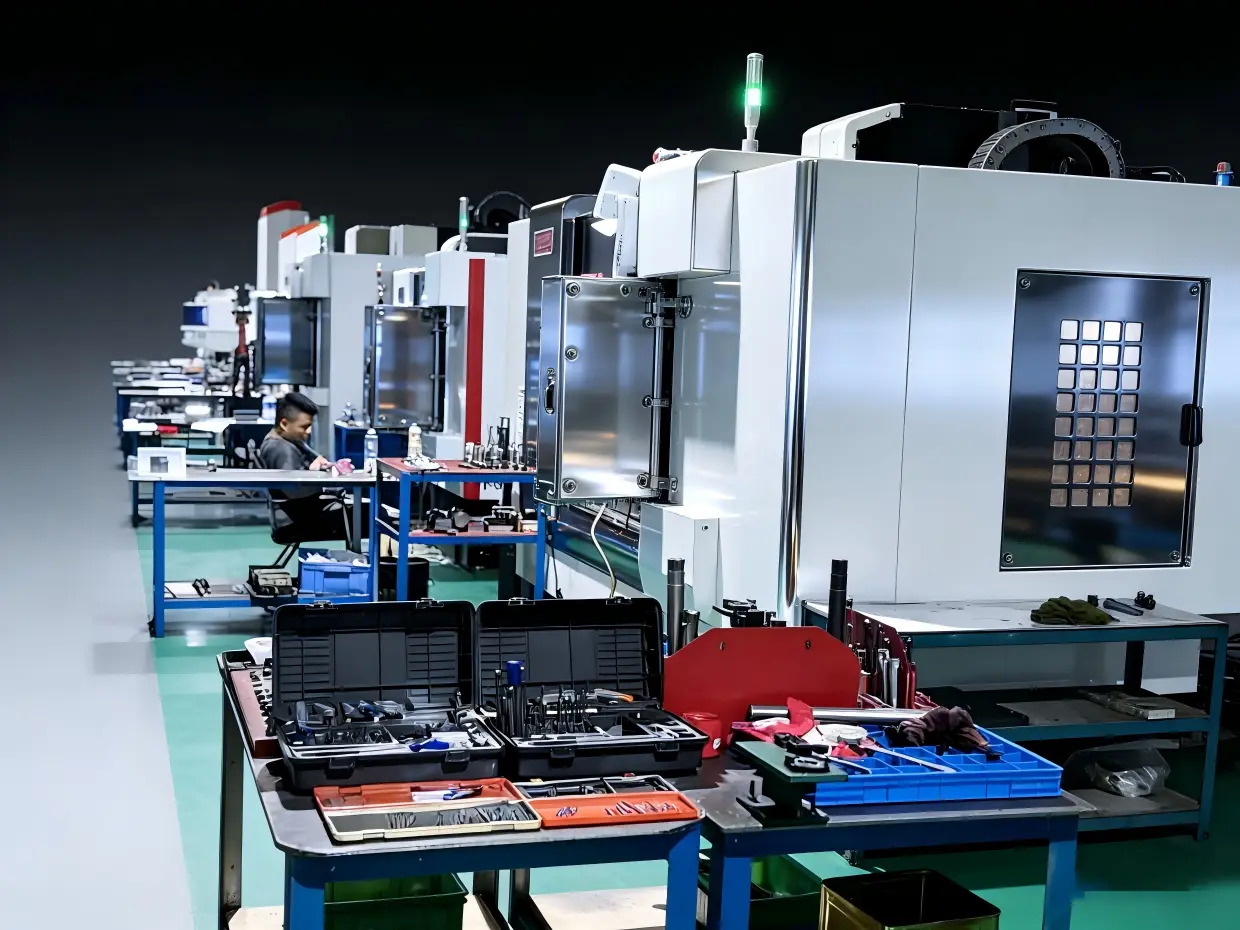
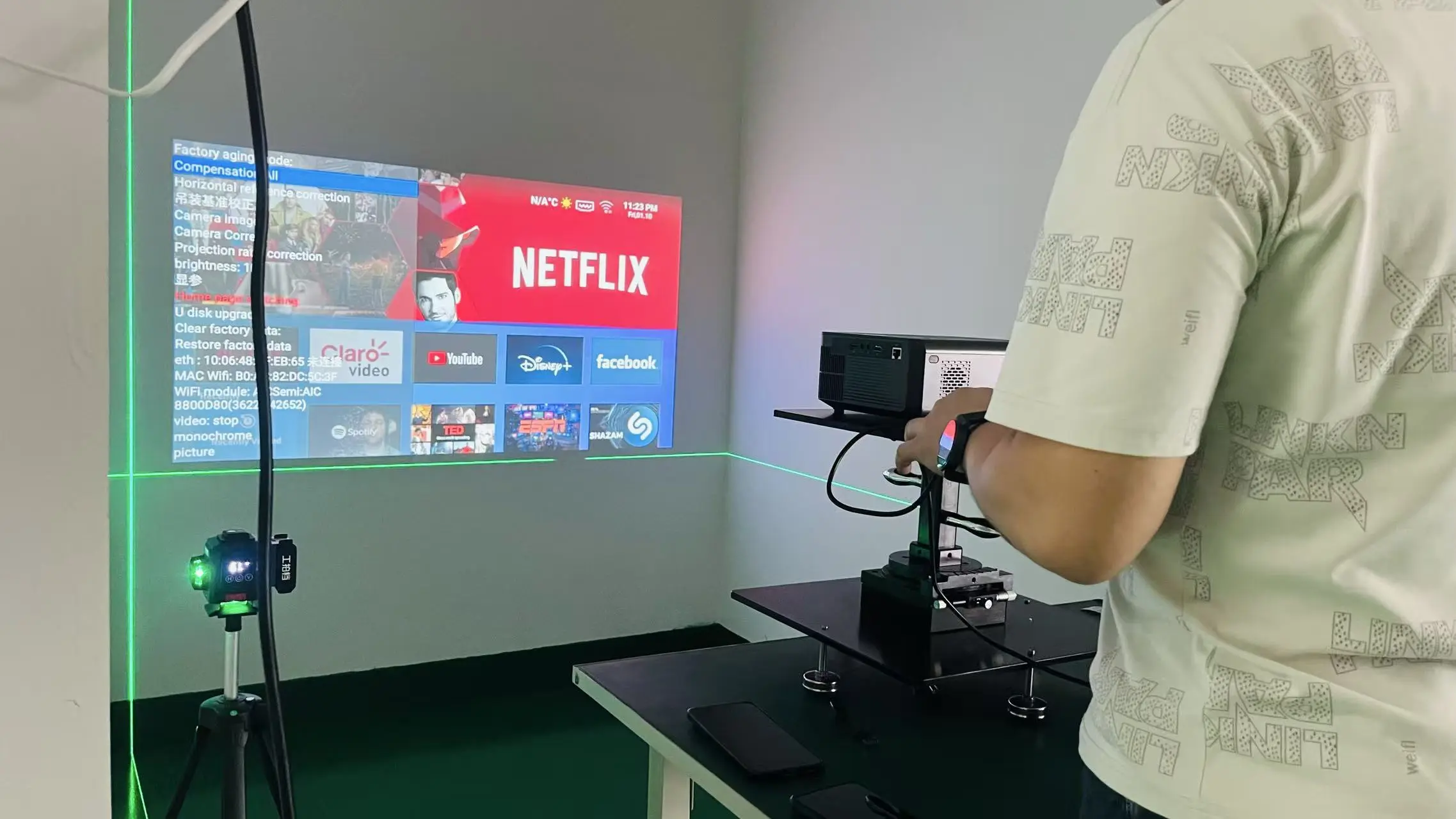
Within our modern assembly workshops, we operate using strict 5S dust-free environments to protect the liquid crystal panels and optical prisms during final integration. We utilize CNC machinery and high-precision diagnostic and testing instrumentation. With these production control systems in place, our monthly production capacity reaches up to 50,000 units.
By minimizing particulate contamination during assembly, we significantly reduce internal optical scattering, ensuring that the projectors delivered to Equatorial Guinea retain their contrast levels and color fidelity over years of continuous operation.
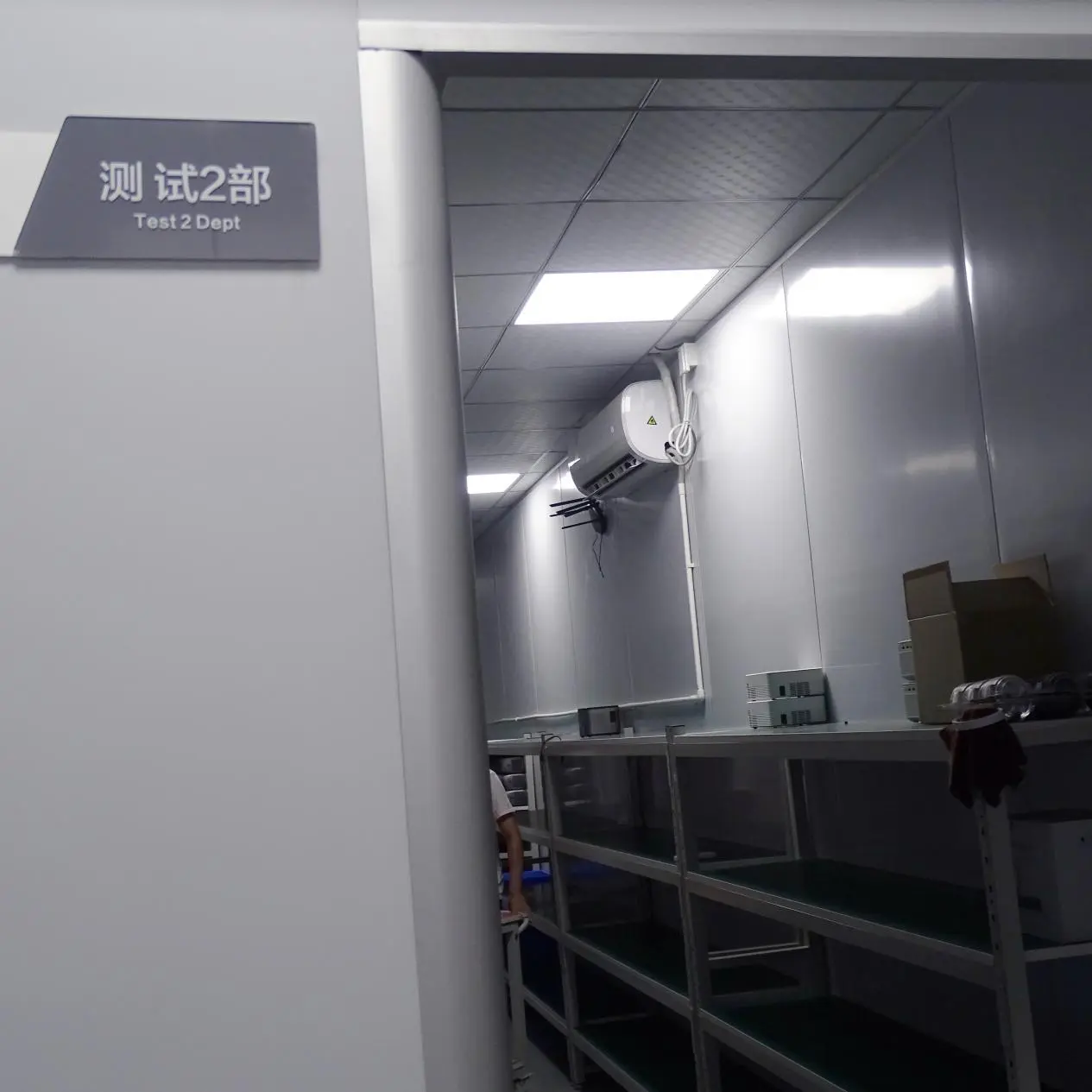
To manage and reduce post-sale defect rates, we operate two testing departments housing a total of 12 dedicated test rooms. Here, professional quality inspectors evaluate incoming materials, conduct initial assembly checks, and perform random sample inspections before export packaging.
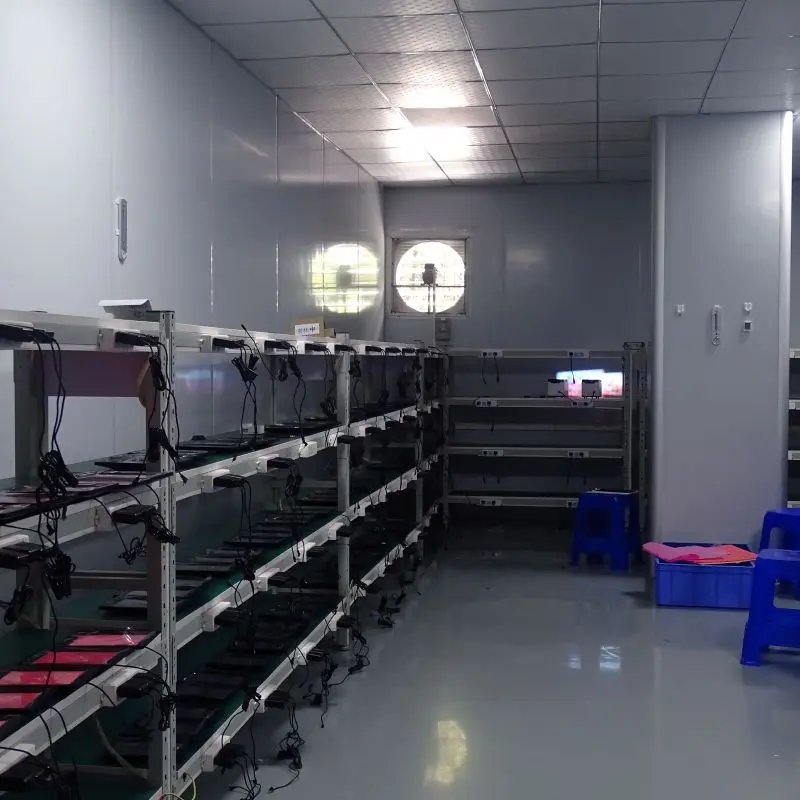
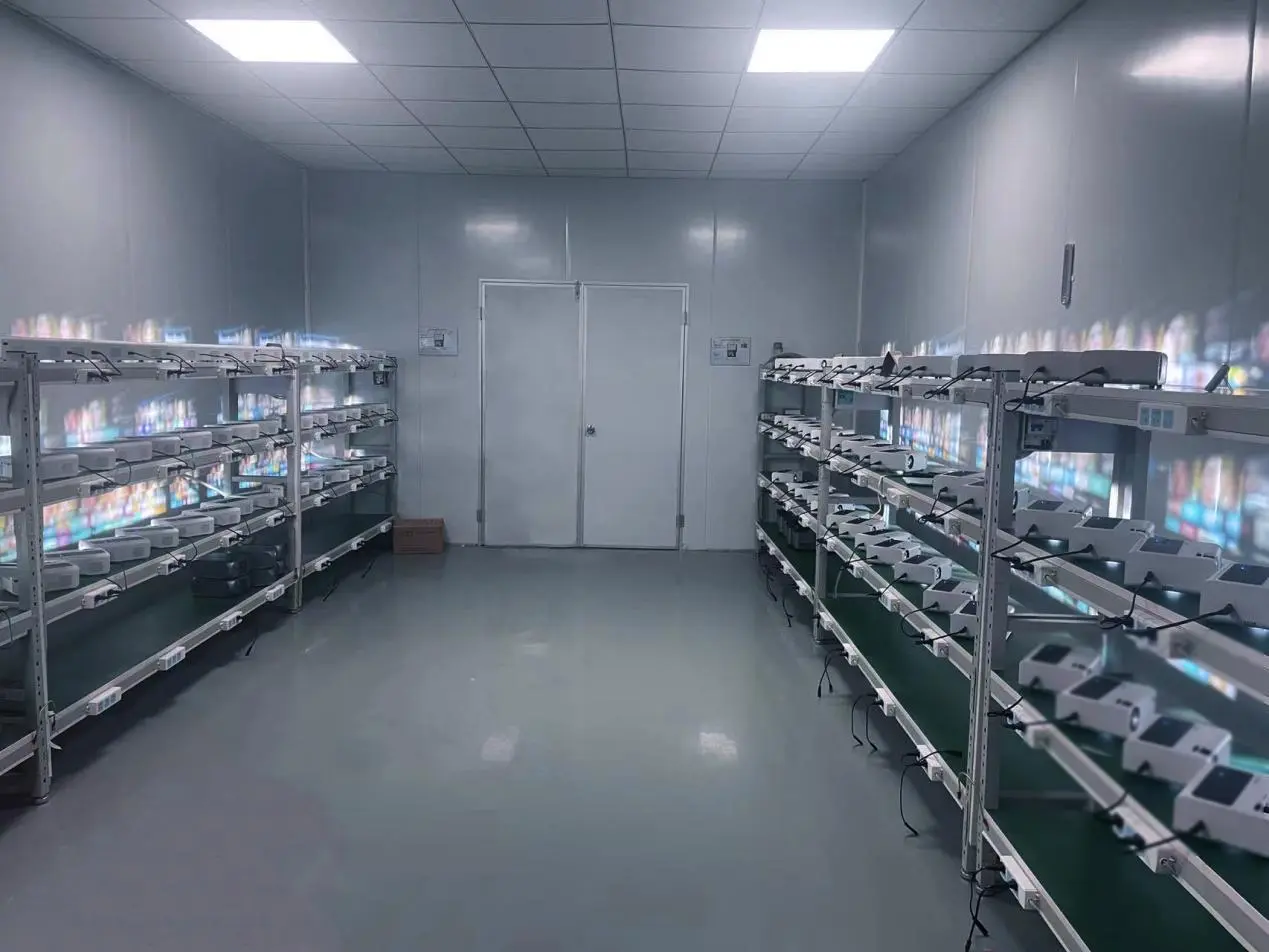
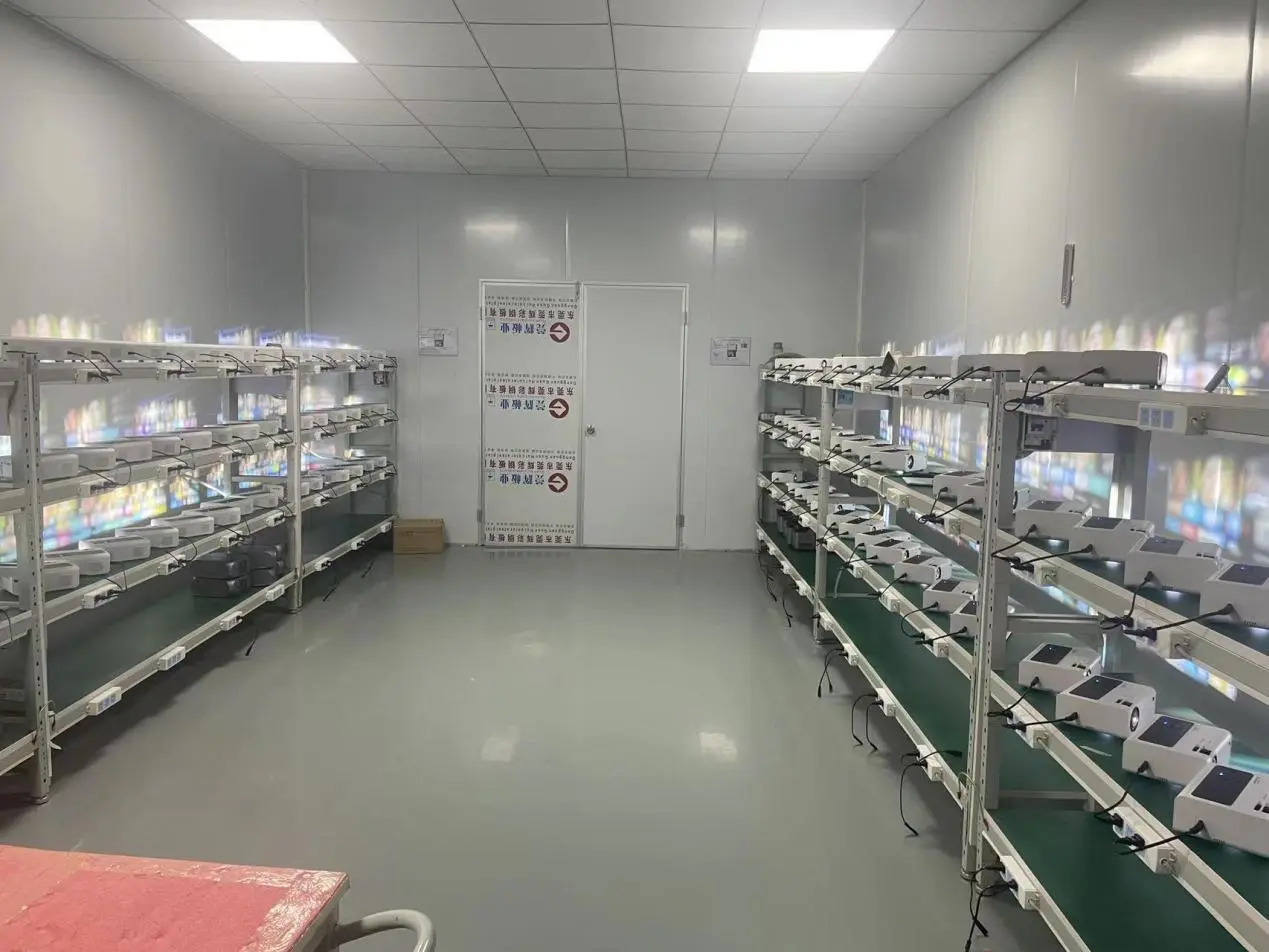
Directly adjacent to the functional testing rooms is our aging test facility, designed to minimize handling errors and optimize workflow. This facility can accommodate at least 200 units concurrently for continuous thermal and electrical testing, ensuring each projector stands up to extended operational demands.
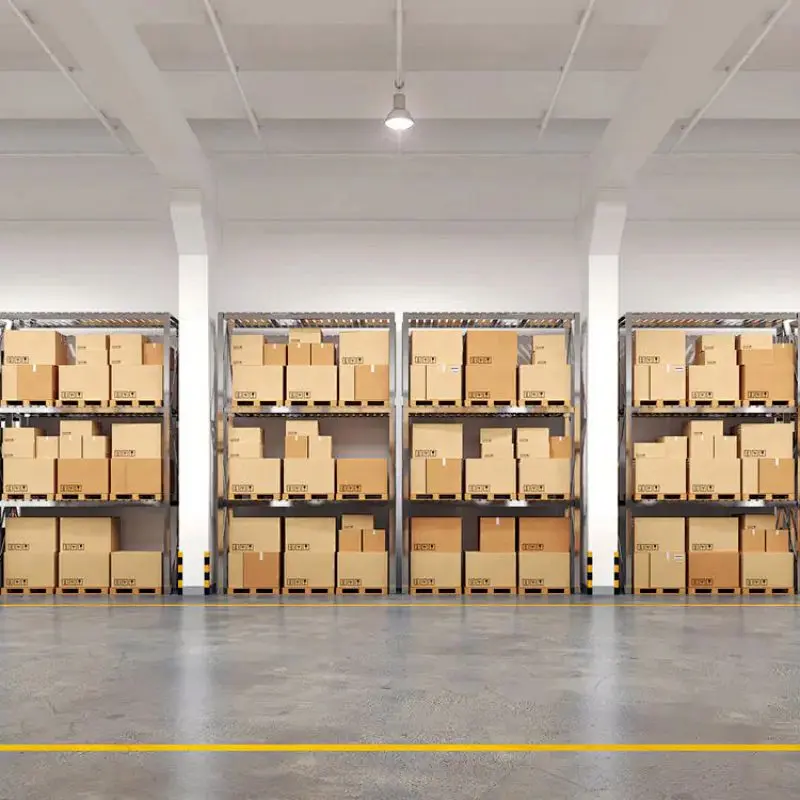
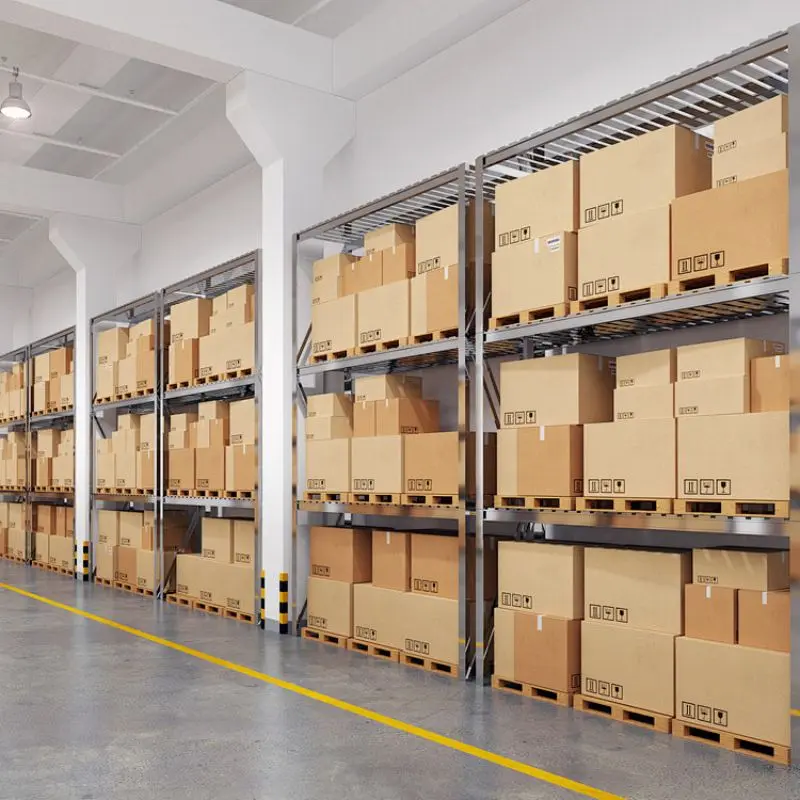
Our finished goods warehouse covers an area of 300 square meters next to our packaging and container loading docks. This configuration helps protect sealed shipments from environmental shifts before dispatch. Once packages pass pre-shipment inspections, they are prepared with moisture-resistant desiccant packaging, ready for ocean freight transport to the ports of Malabo and Bata.
We provide complete transit documents—including clean bills of lading, detailed packing lists, CE/FCC/RoHS compliance certificates, and certificate of origin documents—to simplify the customs clearance process for imports into Central Africa.
Analyzing key advancements in modern optics and localization support systems for African markets.
Our current R&D direction focuses on integrating localized intelligence directly into the projection units. These advancements address the realities of deploying projectors in environments with varying access to external media systems:
To ensure reliable operations within the Equatorial Guinea market, we back our manufacturing volume with targeted commercial guarantees. We provide direct shipping insurance coverage, include replacement parts (such as filters, remote controls, and power boards) in bulk orders, and offer structured manufacturer warranties.
We coordinate with regional logistics firms in West Africa to offer consolidated sea shipping options, helping to lower transport costs to Malabo and Bata. Additionally, our sales team provides detailed specifications, custom customs tariff classification guidance, and product certification sheets to support smooth local import procedures.
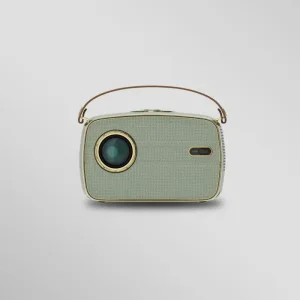
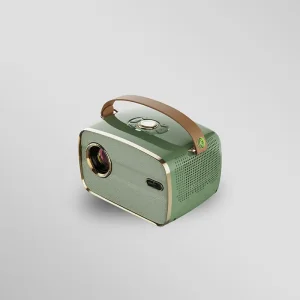
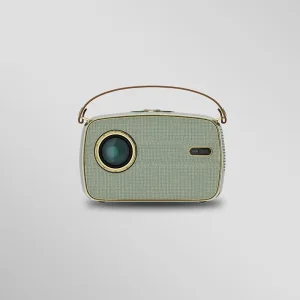
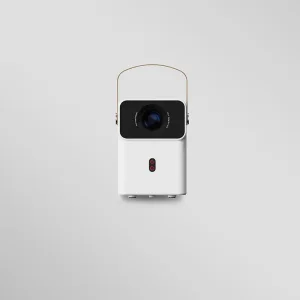
Explore our complete range of high-performance portable, gaming, and commercial LCD projectors available for direct export to Equatorial Guinea.
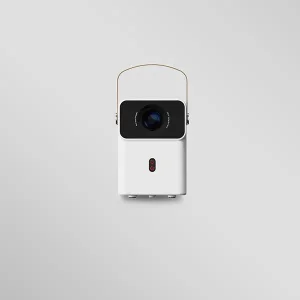
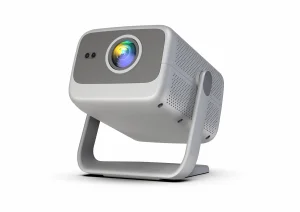
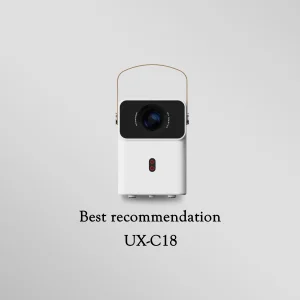
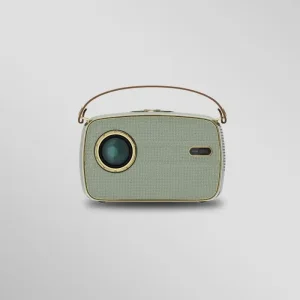
Expert insights addressing technical questions, import standards, and environmental suitability for Equatorial Guinea.
In coastal, high-humidity regions, moisture condensation on internal optical prisms and optical engines can lead to rapid degradation of optical transparency. Liquid crystal panels are particularly sensitive to moisture. To address this, our projectors feature sealed optical path designs, specialized optical coatings, and anti-corrosive treatments on the internal circuitry to ensure consistent color quality and prevent dust or moisture ingress.
Yes, our entire lineup uses multi-voltage power management boards. These boards are rated for AC 100V–240V at 50/60Hz, allowing direct connection to the domestic power outlets in Equatorial Guinea without requiring dedicated step-down voltage transformers.
For volume purchases, we offer customization options including localized boot screens, customized UI firmware, multi-language system defaults (including Spanish and French), brand logo placement on the housing, and customized packaging. We also support adjustments to terminal interfaces (HDMI, USB, VGA) based on client requirements.
Once orders are finalized, production generally takes 15 to 25 days depending on the customization scope. Sea transport from China ports to Malabo or Bata Port typically ranges between 35 and 45 days. We coordinate with shipping partners to secure container allocations and handle export customs documentation.
LED light sources offer up to 30,000 hours of operation, minimizing the need for bulb replacements. They consume less energy than mercury lamps, run cooler, contain no toxic mercury, and feature an instant on/off function. This makes them a durable choice for school districts with limited technical maintenance resources.
Our high-end models (such as the C09 and C11) utilize built-in optical sensors and gyroscope microprocessors. When the projector is positioned off-center relative to the wall or screen, the system calculates the projection angle and adjusts the lens elements and digital scaling to project a square, clear image.
 Youxi projector