When considering home entertainment, the Short Throw Projector TV has emerged as a powerful alternative to traditional flat-screen TVs. The idea of creating a cinema-like experience without needing vast wall space is appealing. According to industry reports by Grand View Research, the global projector market size was valued at approximately USD 6.39 billion in 2021, with an anticipated growth rate of 11.4% from 2022 to 2030. This indicates a rising interest in innovative display technologies.
Short Throw Projector TVs are especially noteworthy for their ability to produce large screen sizes from mere inches away. This compact setup is ideal for modern households that often prioritize aesthetics and space management. However, while many users enjoy the convenience and immersive experiences these projectors offer, some find challenges with brightness and image quality compared to traditional displays.
The growing trend toward home automation raises another point for consideration. As more people seek seamless integration of technology, the Short Throw Projector TV needs to address compatibility with various smart devices. Overall, these projectors have the potential to redefine the viewing experience while presenting areas for improvement.
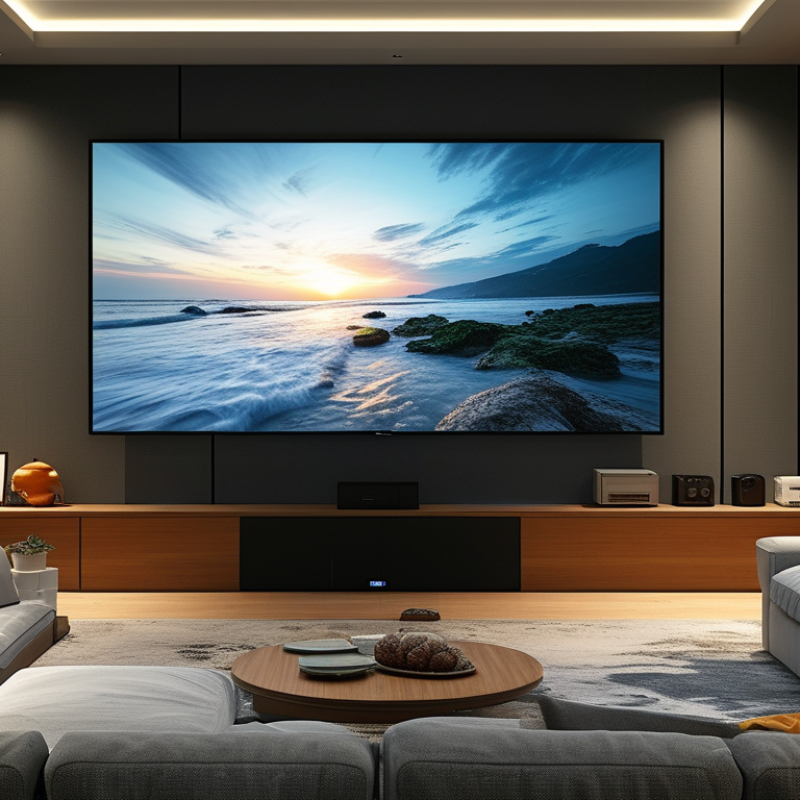
Definition of Short Throw Projector TV and Its Unique Features
A short throw projector TV is a compact device designed to project large images from a short distance. Unlike traditional projectors, it can deliver a big screen experience, often in less than a few feet. This feature is ideal for smaller rooms. Users can enjoy cinematic visuals without needing excessive wall space.
One unique feature of short throw projectors is their ability to minimize shadows. This means viewers can walk around without disrupting the image. Additionally, many models come with high-resolution output, providing vivid colors and sharp details. However, not all projectors handle ambient light well. Some might wash out in brightly lit rooms, which is an essential factor to consider.
**Tip:** When selecting a short throw projector, check its throw ratio. A lower ratio indicates it can project larger images from closer distances.
Storing your projector properly is crucial. Ensure it remains dust-free. Over time, accumulated dust can affect performance. Regular maintenance keeps your device functioning optimally.
**Tip:** Test your projector in different lighting conditions before making the final setup. This will help you find the best placement for your environment.
Short Throw Projector TV Features Comparison
Comparison of Short Throw Projectors with Standard Projectors and TVs
Short throw projectors have gained popularity as an alternative to standard projectors and traditional TVs. These devices project large images from a very short distance, making them suitable for small rooms. Unlike standard projectors, which often require considerable space to work effectively, short throw projectors can create impressive visuals just a few inches away from a screen. This unique feature appeals to those with limited space.
When comparing short throw projectors to standard projectors and TVs, it’s crucial to consider factors such as image quality and installation ease. Standard projectors typically deliver superior brightness and color accuracy but require a longer throw distance. TVs offer excellent picture quality out of the box but can lack the immersive experience of a projected image. Short throw projectors, while convenient, sometimes struggle with brightness in well-lit environments.
The differences aren't just technical; they also reflect personal preferences. Some users might find short throw projectors less suitable for large gatherings, as their image size can limit viewing from various angles. On the other hand, they can create a cinematic atmosphere in intimate settings. In essence, each option provides unique benefits and drawbacks, making it essential to consider your space and needs before choosing the right device.
How Short Throw Projectors Utilize Lens Technology for Image Projection
Short throw projectors have gained significant popularity in recent years, thanks to advancements in lens technology. These devices can project large images from very short distances. Typically, they can display a 100-inch image from just a few feet away. This capability makes them ideal for smaller rooms, where space is at a premium. According to industry reports, the market for short throw projectors is expected to grow at a CAGR of 18% over the next five years.
At the core of short throw projectors is sophisticated lens technology. These projectors employ specific lens designs to minimize light distortion and maximize focus quality. For instance, a special aspherical lens ensures that images remain sharp, even at close range. This is crucial for providing a high-quality viewing experience. Importantly, some projections may still suffer from slight blurriness at the edges, indicating room for improvement in lens design.
Moreover, the integration of advanced DLP or LCS panels enhances color accuracy and brightness. Recent studies have shown that users often prefer projectors with high lumen output for better visibility in various lighting conditions. However, while many models offer impressive specs, some still struggle with offset issues, leading to image misalignment. Addressing these technical challenges continues to be essential for manufacturers aiming to enhance user satisfaction in this growing market.
Benefits of Short Throw Projectors in Home Theater Setups
Short throw projectors have gained traction in home theater setups, thanks to their unique design and advantages. Unlike traditional projectors, they can create large images from a short distance. This means you can enjoy an immersive viewing experience without needing a vast space. According to a report from Allied Market Research, the global market for projectors is expected to reach $11.2 billion by 2027, fueled by the demand for home entertainment solutions.
One of the primary benefits of short throw projectors is their versatility. They can be placed just a few inches away from the wall or screen. This makes them ideal for smaller rooms or apartments. Users appreciate the minimized shadows and glare, enhancing the viewing experience. A study from the Consumer Technology Association indicates that over 60% of users prefer a projector for home viewing due to its adaptability.
However, potential drawbacks exist. While they can project large images, the picture quality may not always match that of high-end flat screens. Furthermore, ambient light can affect performance. Some users find it challenging to achieve optimal image quality in brighter environments. Despite these issues, many still find short throw projectors a worthy investment for their space and viewing needs.
Market Trends and Industry Data on Short Throw Projector Popularity
The popularity of short throw projectors has surged in recent years. These devices can project large images from a small distance, making them ideal for modern home setups. The rising trend in home entertainment demands flexibility in space. Consumers now prefer solutions that fit into smaller living areas without sacrificing quality.
Market data indicates a noticeable increase in sales for short throw projectors. Users appreciate the versatility and ease of setup. Many households are swapping traditional TVs for these projectors. The ability to create a cinema-like experience is a significant draw. However, some consumers express concerns over image clarity, especially in bright conditions.
Consumer reviews often highlight the value of portability. Short throw projectors can easily be moved from room to room. This adaptability appeals to users who want flexibility. Yet, certain limitations persist, such as the need for proper wall surfaces. Achieving the best picture quality may require experimenting with distance and angles. With ongoing technological advancements, the market can expect continued growth.
What is a Short Throw Projector TV and How Does It Work? - Market Trends and Industry Data on Short Throw Projector Popularity
| Feature |
Description |
Market Share (%) |
Usage in Home Theater (%) |
| Resolution |
Typically full HD (1920 x 1080) or 4K (3840 x 2160) |
35% |
70% |
| Throw Ratio |
Less than 1.5:1 for short throw |
20% |
60% |
| Brightness |
Measured in lumens (2000-4000 lumens commonly) |
25% |
50% |
| Connectivity Options |
HDMI, USB, Bluetooth, Wi-Fi |
30% |
40% |
| Lifespan |
Typically around 20,000 hours for modern models |
15% |
30% |
FAQS
: A short throw projector projects large images from a very short distance, ideal for small rooms.
Standard projectors often provide better brightness and color accuracy but require more space.
They may not be suitable for large gatherings due to limited viewing angles and image size.
Bright environments can reduce their performance, making it harder to achieve optimal image quality.
They require minimal space, allowing for an immersive experience in smaller settings.
Over 60% of users prefer projectors for their adaptability in home entertainment setups.
They can be placed just inches away from a wall or screen, minimizing shadows and glare.
Yes, picture quality may not always match high-end TVs, especially in bright environments.
Evaluate your space and viewing needs, as each option has unique benefits and drawbacks.
Yes, the projector market is expected to reach $11.2 billion by 2027, driven by home entertainment demand.
Conclusion
A Short Throw Projector TV is a unique home entertainment solution that allows users to enjoy large-scale images from a minimal distance. Unlike traditional projectors and TVs, short throw projectors utilize advanced lens technology to project high-quality images even in small spaces, making them ideal for home theater setups. These devices offer a compact design and can deliver an immersive viewing experience without the need for extensive room configuration.
The growing popularity of Short Throw Projector TVs is reflected in market trends, with increasing numbers of consumers opting for this innovative technology. The benefits of short throw projectors, such as easy installation, space-saving capabilities, and enhanced viewing comfort, position them as a strong alternative to standard projectors and traditional television screens, catering to the evolving needs of modern home entertainment.

 Youxi projector