Selecting the right Digital Movie Theater Projector can transform your home viewing experience. With advancements in technology, the market offers a vast array of options. Each projector has its unique features, making the choice challenging. Understanding your needs is crucial.
Picture this: a gathering with friends and family, all captivated by a dazzling movie. The projector plays a key role in achieving this vision. Factors such as brightness, resolution, and contrast ratio influence your viewing pleasure.
However, think about how easily one can overlook these details. Without careful consideration, you may end up with a product that doesn’t meet your expectations. Prioritizing quality over flashy specs can save disappointment later. Your choice should align with the space and purpose you have in mind. So, reflect on the right balance between your budget and desired features.
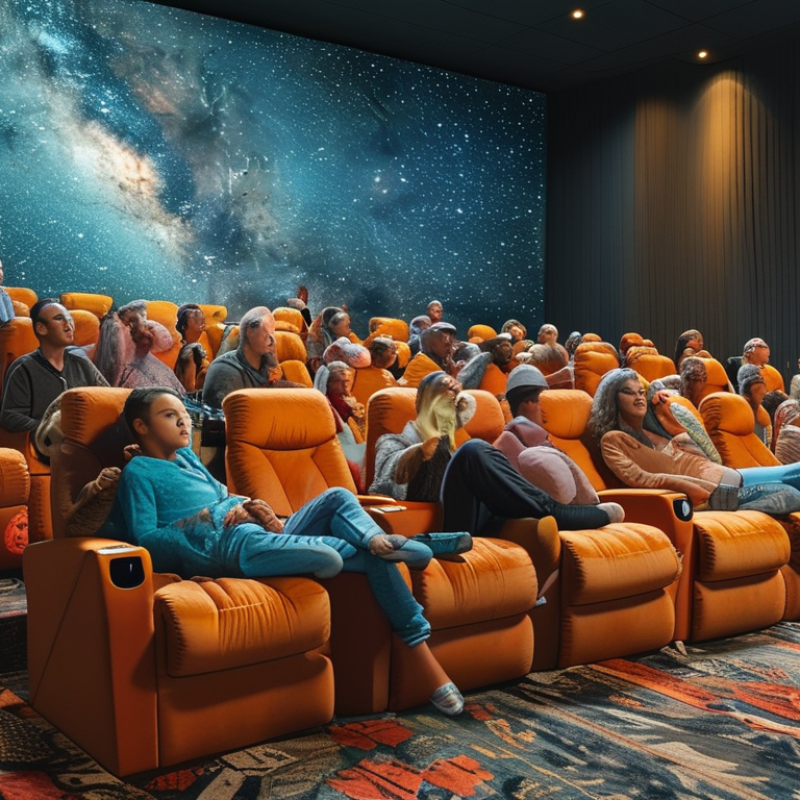
When choosing a digital theater projector, understanding the types is crucial. There are primarily three types: DLP, LCD, and LCoS. Each has unique features that cater to different needs. DLP projectors are known for their brightness and contrast. They work by reflecting light off tiny mirrors, creating vibrant images. However, some users may experience a "rainbow effect" due to the color wheel.
LCD projectors are respected for their color accuracy and sharp images. They use liquid crystal panels to create images. While they offer better color reproduction, they may struggle in bright environments. On the other hand, LCoS projectors combine the best of both worlds, providing excellent picture quality and color depth. Still, they can be pricier and may also have limited brightness levels compared to DLP.
Each type has its pros and cons. Assessing your needs is vital. Consider your viewing environment and content type. If you're planning for a small room, brightness might not be your primary concern. Reflect on your budget, as this will drastically narrow down your choices. No projector is perfect. Understanding their strengths and weaknesses helps you make an informed decision.
Choosing a digital movie theater projector requires careful consideration of key specifications.
Brightness is one of the most crucial factors.
Measured in lumens, a projector’s brightness level affects image quality in various lighting conditions.
For a dark theater, 1000 to 2000 lumens may suffice.
However, for a well-lit room, aim for at least 3000 lumens.
A recent report from the Consumer Technology Association highlights that projects with higher brightness deliver clearer visuals and better contrast.
Resolution is another critical specification.
It determines the sharpness and detail of the image.
Common resolutions include 1080p and 4K.
According to industry data, 4K projectors are becoming increasingly popular, with a projected growth rate of 15% annually.
However, not all content is available in 4K. It's essential to balance resolution needs with budget constraints.
Contrast ratio plays a vital role in defining image depth.
A higher contrast ratio results in more vibrant colors and deeper blacks. Many experts recommend a contrast ratio of at least 1000:1 for optimal viewing.
However, achieving this can be challenging in environments with ambient light.
Always consider your specific viewing context and preferences.
When selecting a digital movie theater projector, understanding brightness and contrast ratios is crucial. Brightness, measured in lumens, indicates how powerful the projector's light output is. A higher lumen count often means better performance in brightly lit rooms. Conversely, contrast ratios, which express the difference between the brightest and darkest parts of the image, affect the depth and richness of the viewing experience. A contrast ratio of 1000:1 or higher is typically favored for cinema-quality visuals.
To optimize your viewing experience, consider the room's lighting. For dark environments, 1000 lumens may suffice. However, well-lit spaces might need 2500 lumens or more. Industry reports suggest that for dedicated home theaters, aiming for at least 1500 lumens enhances performance.
Tips: Check the projector's contrast specifications. A high contrast ratio enhances details in dark scenes. Always test how your projector performs in your specific environment. Calibration may be necessary to achieve the best results, especially if colors appear washed out or shadows lack detail. Balancing brightness and contrast can seem challenging but is key to a satisfying cinematic experience.
| Projector Model | Brightness (ANSI Lumens) | Contrast Ratio | Optimal Viewing Distance (ft) | Resolution |
|---|---|---|---|---|
| Model A | 3000 | 2000:1 | 10 | 1920x1080 |
| Model B | 4000 | 3000:1 | 12 | 3840x2160 |
| Model C | 2500 | 1500:1 | 9 | 1280x720 |
| Model D | 3500 | 4000:1 | 11 | 1920x1080 |
When selecting a digital movie theater projector,
screen size and throw distance are crucial factors.
The right screen size can enhance your viewing experience.
A larger screen is often more immersive. However, space limitations can affect how large you can go.
Measuring your room is essential. Consider your seating distance, too.
Throw distance refers to how far the projector needs to be from the screen.
Understanding this helps determine suitable projector models.
Projectors with short throw distance are ideal for smaller rooms.
They produce clear images without needing excessive space.
A miscalculation can lead to disappointments, such as a blurry image or poor visibility.
Reflect on your current setup.
Is your room conducive to a large screen?
Assessing your environment ensures you make an informed decision.
It’s easy to aim for the biggest screen but think practically.
Sometimes, a mid-sized screen paired with a good throw distance can create a better experience than overspending on a massive display that doesn’t fit well.
Choosing the best digital movie theater projector involves careful consideration of connectivity options and smart features. It's essential to ensure that your projector can connect seamlessly with various devices. Look for models with multiple HDMI ports, USB connections, and wireless capabilities. Compatibility with streaming devices can greatly enhance your viewing experience.
Smart features are becoming a necessity in modern projectors. Features such as built-in apps and voice control can simplify usage. Some projectors allow you to mirror your smartphone screen, which is a great convenience. But, not all smart functionalities are reliable. It's wise to read user reviews to identify potential issues.
Many projectors come with various display technologies, each affecting connectivity and performance differently. DLP projectors might offer vibrant colors but can have limited wireless options. LCoS projectors may excel in resolution but can be pricier and less portable. Understanding these trade-offs can help in making a more informed decision, ensuring you select a projector that truly meets your needs and enhances your movie-watching experience.
: Brightness indicates the projector's light output, measured in lumens. Higher lumens provide better performance in bright rooms.
A contrast ratio of 1000:1 or higher enhances image depth and richness, creating a more immersive experience.
In dark rooms, 1000 lumens may suffice. Bright spaces usually require 2500 lumens or more for optimal viewing.
Assess your room's dimensions and seating distance to determine the ideal screen size. Bigger isn’t always better.
Throw distance is how far the projector sits from the screen. It affects image clarity and visibility.
Smart features, like built-in apps and voice control, can enhance usability. However, their reliability can vary.
Look for projectors with multiple HDMI, USB ports, and wireless options to connect various devices easily.
DLP projectors offer vibrant colors but may lack wireless options. LCoS projectors provide high resolution but are often pricier.
Calibration can help improve image quality, ensuring colors are accurate and shadows retain detail, especially in varied lighting.
Choosing the right Digital Movie Theater Projector involves understanding different types and key specifications that match your viewing needs. It's essential to evaluate factors such as brightness and contrast ratios, which significantly impact the quality of the viewing experience. Higher brightness levels are crucial for well-lit rooms, while better contrast ratios enhance image clarity and depth.
Additionally, consider the screen size and throw distance to ensure the projector suits your space effectively. The right dimensions will optimize visual performance and comfort. Lastly, explore connectivity options and smart features that enhance usability, allowing integration with various devices for a seamless viewing experience. By carefully assessing these aspects, you can select the best Digital Movie Theater Projector that meets your entertainment demands.

Youxi projector