Selecting the right Short Throw LED Projector can transform your viewing experience. The global market for projectors is rapidly evolving, with a predicted growth rate of 12% from 2023 to 2028, according to industry reports. As consumers seek high-quality visuals in compact designs, short throw projectors have gained significant popularity. They provide large screen sizes from just a few feet away, making them ideal for smaller spaces.
Experts highlight the advantages of Short Throw LED Projectors in delivering vibrant colors and sharp details. These projectors often utilize advanced LED technology, allowing for better energy efficiency and a longer lifespan. However, not all models are created equal. Factors such as brightness, resolution, and connectivity options play crucial roles in your final decision.
Consumers should also consider their specific needs and environments. While some may prioritize cinematic experiences, others may need projectors for presentations or educational purposes. It’s essential to reflect on what features matter most to you and how much you are willing to invest. With various models available, finding the best option may require careful research and consideration of user reviews and expert opinions.
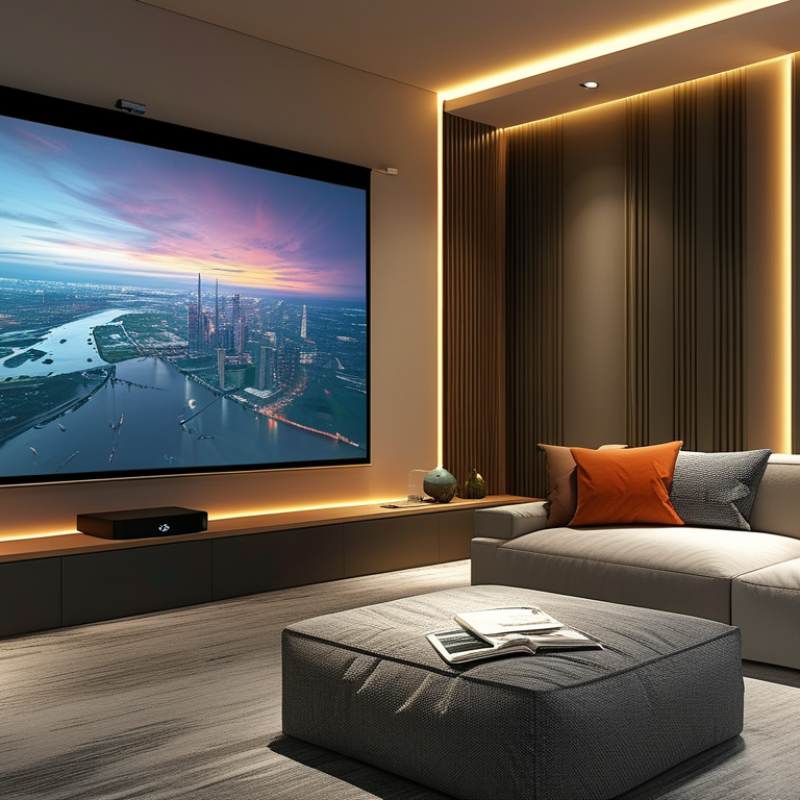
Short throw LED projectors are becoming popular for home entertainment and presentations. They can project large images from a short distance. When choosing one, it's crucial to understand key features. Brightness is vital; look for a projector that offers high lumens for clear images in various lighting conditions.
Resolution is another important aspect. Higher resolutions ensure sharper images. Full HD is preferred for detailed visuals.
Contrast ratio impacts how vivid colors appear in dark scenes. A higher ratio means better quality. Also, consider the throw ratio. This measurement tells you how close the projector needs to be for a specific screen size.
Portability can affect your choice too. Many projectors are lightweight and easy to transport. However, keep in mind that a smaller design might compromise some features. Connectivity options matter as well. Look for versatile input options, ensuring compatibility with various devices. Remember, it’s essential to weigh performance against convenience. A projector that meets your needs may require some trade-offs.
When choosing a short throw LED projector, image quality is crucial. Resolution plays a significant role here. Higher resolutions, like 1080p or 4K, provide sharper images. Yet, not all content needs 4K. Consider what you will primarily watch. For casual viewing, 720p may suffice. However, for detailed presentations or movies, aim for higher resolutions.
Brightness is another key factor. It is measured in lumens. A higher lumen count means brighter images, especially in well-lit rooms. If you plan to use the projector in daylight, opt for at least 2500 lumens. In darker environments, a lower brightness is acceptable. Always evaluate your specific lighting conditions.
Color accuracy and contrast ratios also impact image quality. A projector with good color reproduction enhances viewing experiences. Look for models that offer a wide color gamut. Be mindful that settings may need adjustment based on the viewing environment. Poor settings can lead to unsatisfactory results, emphasizing the need for careful setup.
When considering a short throw LED projector, the room's size and layout play a critical role. A projector's throw distance defines how far it can be from the screen while still delivering a clear image. For smaller rooms, a projector with a short throw ratio can allow for sizable images without requiring significant space between the projector and the screen. This is particularly advantageous in apartments or smaller homes, where every inch counts.
Placement is equally important when setting up your projector. Ideally, it should be positioned to avoid obstructions. Furniture, curtains, or light sources can interfere with image quality. Evaluating the room’s lighting conditions is vital. Natural light or lamp glare can wash out the image, making a darker room more conducive for viewing. The projector might not perform well if setbacks like too much ambient light are overlooked.
Consider experimenting with different angles and distances to find the optimal setup for your space. It often requires a bit of trial and error to achieve the best results. The distance between the projector and screen should allow for a clear, crisp image. However, adjustments may be necessary based on specific environmental factors. Reflecting on these considerations will help enhance your viewing experience, leading to better choices in the long run.
When selecting a short throw LED projector, connectivity options play a crucial role. Assessing the types of ports available is essential for your specific needs. HDMI, USB, and audio outputs are standard. Some projectors offer multiple HDMI ports, allowing you to connect various devices simultaneously. This can enhance your viewing experience during presentations or movie nights.
Without sufficient ports, you may often find yourself switching cables, which can be frustrating.
Wireless connectivity is another aspect to consider. Many projectors now support Wi-Fi or Bluetooth features. This allows for easy streaming from smartphones or tablets. However, the quality of wireless connection can vary. Sometimes, the connection may lag or drop unexpectedly.
Testing the distance and stability of the wireless signal in your intended space can prevent future headaches. A strong, reliable connection ensures seamless presentations and entertainment.
Lastly, think about future devices you might want to connect. Will you be adding smart home features? Consider a projector with compatibility for various streaming services. Not every model offers this flexibility.
Exploring your options thoroughly will help you avoid limitations later. Reflect on your lifestyle and tech preferences, and choose a projector that meets those needs effectively.
When considering a short throw LED projector, budgeting is key. You need to outline how much you’re willing to spend. The price range can vary widely. Setting a budget helps narrow down options. Look for features that align with your needs, such as brightness, resolution, and throw distance. Evaluate what you truly require versus what is simply nice to have.
Think about how often you will use the projector. If it’s for occasional movie nights, high-end features might be unnecessary. Consider the value of portability if you plan to move the projector frequently. A sturdy design with convenient connectivity options can enhance usability. However, many projectors also come with drawbacks. Some may have limited lifespan or subpar sound quality. Researching these factors helps you make a more informed choice.
It’s also worth reflecting on reviews and expert recommendations. User experiences can provide critical insight into a projector's reliability. Keep in mind that a projector's performance may differ from brand to brand. Stay aware of potential issues and common complaints. This approach allows for a thorough examination of what each option offers. A projector should fit your lifestyle and budget effectively.
: Room size determines the throw distance a projector needs. Smaller rooms benefit from projectors with a short throw ratio.
Position the projector away from obstructions like furniture. Ensure that light sources do not interfere with image quality.
Lighting conditions matter a lot. Darker rooms improve image quality by reducing glare from windows and lamps.
Yes, adjusting the angle and distance often helps. Experimenting can lead to a clearer image that suits your space.
Check for HDMI and USB ports. Multiple HDMI ports can help connect several devices at once without constant switching.
Yes, Wi-Fi or Bluetooth features allow convenient streaming. Test the wireless signal strength to avoid lag or dropouts.
Outline your spending limit first. Prioritize features like brightness and resolution based on how often you'll use the projector.
Identify what you truly need, like portability or sound quality, and differentiate them from features that are just nice to have.
Reviews highlight user experiences and potential issues. They can provide insight into reliability and performance differences among projectors.
Understanding your tech preferences guides you. Pick a projector that fits your usage habits to ensure satisfaction over time.
When selecting a Short Throw LED Projector, understanding its key features is essential. These projectors are designed to deliver large images from a short distance, making them ideal for small spaces. Key aspects to consider include the resolution and brightness, which directly impact image quality; higher resolutions and sufficient brightness levels will ensure a clearer and more vibrant display.
Evaluating the throw distance is crucial as it determines how far the projector needs to be from the screen based on your room size and intended placement. Connectivity options, including various ports and wireless capabilities, should align with your devices for a seamless experience. Lastly, establish a budget that reflects the value and features you require, ensuring you find the right Short Throw LED Projector that meets your specific needs without overspending.

Youxi projector