Choosing a reliable China Best Short Throw Projector Cabinet Supplier for Global Buyers requires more than comparing prices. It requires practical knowledge of projection, furniture construction, shipping, and installation. A well-designed Short Throw Projector Cabinet can keep a projector protected while supporting clear images in classrooms, offices, museums, and home theaters. Its internal space should allow proper ventilation, cable access, and accurate lens alignment. These details often determine whether a system performs smoothly after delivery.
Experienced suppliers usually offer more than attractive product photos. They can discuss projector dimensions, throw distance, screen height, material thickness, surface finishes, and production tolerances. Steel frames, engineered wood panels, lockable doors, adjustable shelves, and quiet ventilation can improve daily usability. Factory inspection records, sample approvals, packaging tests, and export experience also help global buyers reduce avoidable risks. Still, no supplier is perfect. A cabinet may look excellent but require better airflow or stronger packaging for a specific destination.
Clear communication matters. Buyers should provide projector models, room measurements, voltage requirements, branding needs, and expected installation conditions. Reliable manufacturers should respond with drawings, material information, lead times, and realistic customization limits. They should also explain how damaged parts, replacements, and after-sales questions are handled. Small gaps can become expensive delays. A careful supplier acknowledges them early and improves the design before mass production. That practical attitude builds trust and supports long-term cooperation across international markets.
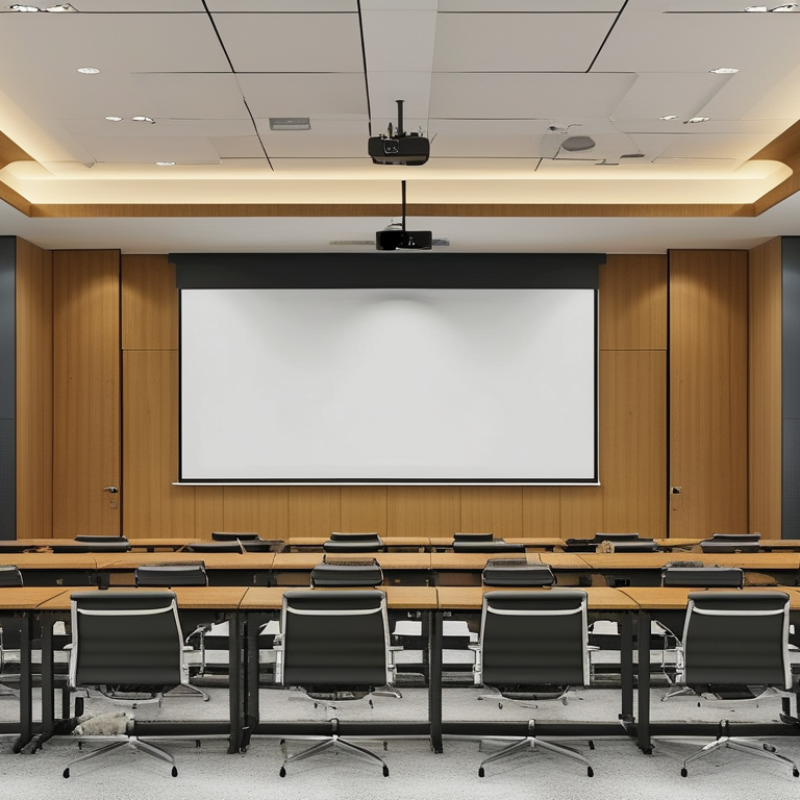
A short throw projector cabinet is a purpose-built enclosure for placing a projector close to a projection screen. Unlike a standard media cabinet, it supports a short throw distance and protects the equipment in a compact installation. The cabinet usually includes a strong top panel, adjustable internal supports, ventilation openings, cable channels, and service access. These details help maintain image quality and prevent heat from building around the projector.
That distance matters. A short throw projector can create a large image from a limited room depth, often reducing shadows and accidental glare. However, the cabinet must match the projector’s throw ratio, lens position, dimensions, and ventilation requirements. A small measurement error can shift the image noticeably. For global buyers, a reliable supplier should provide accurate drawings, material specifications, load information, and installation guidance. Steel, aluminum, or engineered wood may suit different environments, but each option needs suitable surface protection and durable hardware. Check the door movement, cable entry points, airflow path, and access for filter cleaning. These practical checks are easy to overlook. A cabinet may look refined yet perform poorly if heat cannot escape. Room conditions also matter. Dust, humidity, wall strength, and screen height can change the final design. No single cabinet fits every installation. Careful communication and sample verification remain necessary before production.
A short throw projector cabinet is a purpose-designed enclosure or furniture unit that houses a short throw or ultra-short throw projector while providing screen alignment, equipment protection, ventilation, cable management, and safe access for maintenance.
| Data Dimension | Typical Specification or Value | Why It Matters |
|---|---|---|
| Projector Type | Short throw or ultra-short throw projector | The cabinet must support the projector’s optical layout, lens position, weight, and adjustment method. |
| Throw Ratio | Short throw: approximately 0.4–1.0; ultra-short throw: commonly below 0.4 | Throw ratio determines the projector-to-screen distance required for a particular image width. |
| Installation Distance | Often positioned from a few inches to several feet from the screen, depending on the lens and image size | Accurate cabinet depth and placement help maintain the intended image size and geometry. |
| Cabinet Structure | Rigid frame with a projector platform, service access, ventilation openings, and cable routing | A stable structure reduces vibration, protects the projector, and simplifies installation. |
| Material Options | Powder-coated steel, aluminum, engineered wood, plywood, or combinations of these materials | Material selection affects load capacity, appearance, durability, weight, and fire-safety planning. |
| Ventilation Design | Separate cool-air intake and warm-air exhaust paths; optional low-noise fans where required | Projectors generate heat, and restricted airflow can reduce performance or shorten component life. |
| Clearance Planning | Follow the projector manufacturer’s required clearance around air inlets, outlets, lens, and controls | The exact clearance is model-specific and should not be replaced by a universal cabinet dimension. |
| Load Capacity | Select a platform rated above the projector’s operating weight, with a practical safety margin | Adequate capacity supports long-term stability and reduces the risk of deformation or movement. |
| Adjustment Features | Leveling feet, adjustable shelf, sliding platform, tilt adjustment, or fine-positioning hardware | Small alignment changes can significantly affect image position for short throw projection. |
| Cable Management | Rear or underside cable ports for power, HDMI, network, audio, control, and signal cables | Organized routing improves appearance, protects connectors, and makes servicing easier. |
| Security Options | Lockable access panel, security fasteners, anti-tip features, and optional anchoring points | Security features are useful in schools, offices, public venues, retail spaces, and shared environments. |
| Screen Compatibility | Best matched with a compatible fixed-frame, wall-mounted, or ambient-light-rejecting projection screen | Screen flatness and surface characteristics influence focus, image uniformity, and viewing quality. |
| Common Applications | Classrooms, meeting rooms, home theaters, museums, retail displays, training rooms, and digital signage | Short throw placement reduces shadows and helps save space compared with conventional front projection. |
| Customization Factors | Overall dimensions, finish, ventilation, access direction, mounting method, branding area, and cable openings | Customization allows the cabinet to fit the projector, room layout, screen position, and installation standards. |
| Supplier Information Required | Projector model, dimensions, weight, lens position, throw ratio, screen size, room layout, power requirements, and destination regulations | Complete technical information helps prevent optical obstruction, overheating, poor alignment, and installation delays. |
Note: Specifications such as throw ratio, operating clearance, projector weight, ventilation requirements, and mounting dimensions vary by projector model. Final cabinet dimensions should always be verified against the equipment manufacturer’s installation documentation.
It is an enclosure designed for a projector installed close to the screen. It protects the equipment and supports compact room layouts. It is not just storage.
A short throw projector creates a large image in limited room depth. This can reduce shadows and unwanted glare. Small measurement errors matter.
It should include a strong top panel, adjustable supports, ventilation openings, and cable channels. Service access is also important for cleaning and repairs. Easy access helps.
Use separate intake and exhaust paths, rear clearance, dust filters, and quiet fans. Avoid sealed compartments because they trap heat. Heat needs somewhere to go.
Check the projector’s throw ratio, lens position, weight, dimensions, and airflow requirements. The screen height and wall strength also affect the final design. One size rarely fits all.
Steel, aluminum, and engineered wood can work in different environments. Each material needs suitable surface protection and durable hardware. The finish should resist scratches and cleaning chemicals.
Request technical drawings, material details, load information, and installation guidance. Check door movement, cable openings, hinges, locks, and filter access. Do not trust photos alone.
A working sample can reveal vibration, overheating, poor alignment, or weak remote-control access. Operate the projector inside the cabinet for at least two hours. That simple test helps.
Review production evidence, inspection records, material reports, packaging details, and replacement procedures. Confirm lead times, warranty terms, and design changes in writing. Vague promises are risky.
Even careful checks may miss loose fittings, uneven paint, or damaged shipping parts. Keep approvals, drawings, and test results documented. I may overlook something.
A Short Throw Projector Cabinet is a purpose-built enclosure that integrates a short-throw projector with supporting equipment while protecting the system and maintaining a clean, professional appearance. A high-quality cabinet should offer stable construction, accurate ventilation, easy access for maintenance, secure cable management, adjustable mounting, and effective protection from dust and accidental contact. Its design should also support reliable image performance by providing sufficient airflow and minimizing vibration.
For global buyers, evaluating suppliers involves reviewing manufacturing capabilities, material quality, production experience, customization options, inspection procedures, and communication efficiency. A dependable supplier should be able to tailor cabinet dimensions, finishes, mounting systems, and internal layouts to meet different project requirements. Clear quality-control standards, careful packaging, export-ready documentation, and dependable shipping support are equally important for international orders. Responsive after-sales assistance, installation guidance, and replacement-part availability can further reduce project risks and help buyers achieve consistent long-term performance.

 Youxi projector