What is Black Projector Screen Paint and How to Use It?

Time:2026-05-31 Author:Sienna
0%

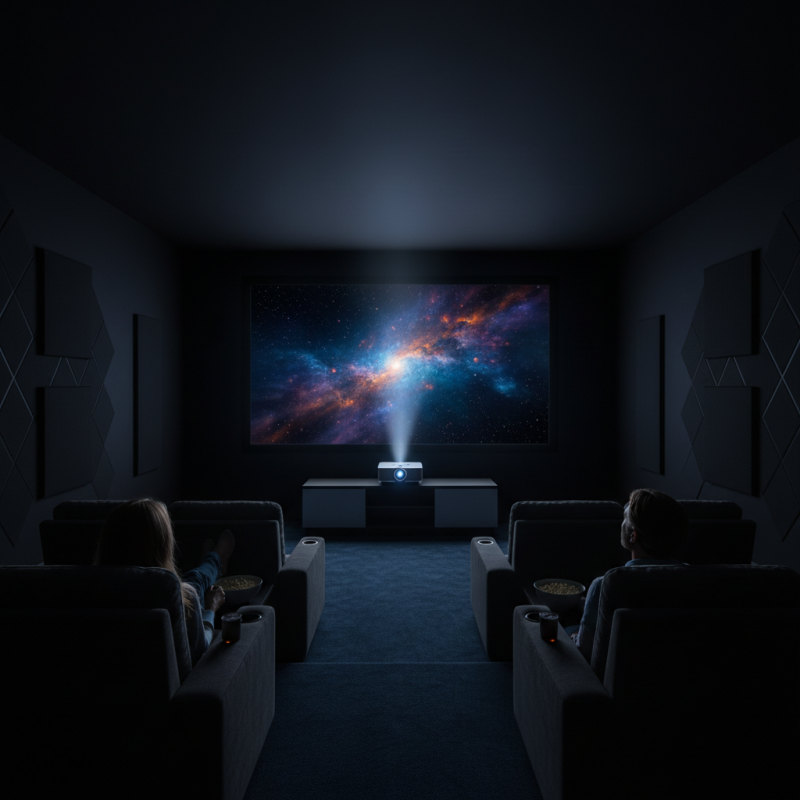
Black Projector Screen Paint is a revolutionary product for enhancing home theater experiences. This specialized paint transforms any surface into a high-quality projection screen. Whether you have a dedicated space or a cozy living room, it adapts well.

Using Black Projector Screen Paint can significantly improve contrast and color accuracy. It absorbs ambient light, resulting in a clearer image. You might not realize how much your projection surface impacts quality. Many users have found that typical walls do not deliver the same performance as dedicated screens.

However, applying this paint requires attention to detail. The surface must be prepped properly for the best results. Many first-time users underestimate the importance of proper application techniques. Skipping steps can lead to disappointing outcomes. Embracing this paint can be a game changer if you invest the time to learn and execute effectively.
What is Black Projector Screen Paint and How to Use It?

Understanding Black Projector Screen Paint: Basics and Benefits

Black projector screen paint has gained popularity as a versatile option for both home theaters and professional settings. Unlike traditional screens, this paint allows users to create their own custom screens on walls, maximizing space and aesthetics. It absorbs ambient light better, enhancing contrast and providing deeper blacks in projected images. According to industry reports, users can experience a 30% boost in perceived brightness when using black screen paint compared to standard white screens.

The benefits of black projector screen paint extend beyond mere aesthetics. It's relatively affordable, easy to apply, and can transform any flat surface into a high-quality projection area. Some reports indicate that around 70% of users notice an improvement in image clarity and vividness after switching to black paint. However, achieving optimal results can require careful preparation and application techniques. Users must ensure surfaces are smooth and well-prepped to avoid patchy finishes that can hinder performance.

While black projector screen paint offers significant advantages, it is essential to evaluate the environmental factors of your projection area. Factors such as ambient light and wall color can influence the effectiveness of the paint. Users should test their space before committing to the project. Balancing cost with visual excellence can be tricky, as some users may find the learning curve steep. Not every project turns out perfectly, leading to reflections on personal skills and techniques.

Types of Black Projector Screen Paint Available on the Market

Black projector screen paint is becoming popular among home theater enthusiasts. Various types are available on the market today. These products offer unique features tailored to different viewing conditions.

One type is matte black paint, which minimizes reflections. It's perfect for dark rooms, allowing for deep blacks. Another option is a metallic black screen paint, which reflects light more effectively. This type enhances color and contrast, useful for brighter environments. Studies show that such paints can improve perceived image quality by up to 30%.

When choosing black projector screen paint, consider your room's lighting. Darker rooms benefit from matte finishes, while well-lit spaces can enhance performance with metallic options.

For an optimal experience, test small patches before full application. This can reveal how the paint interacts with your projector's brightness. Remember, not all paints are created equal; some may require multiple coats for the best results. Evaluate the product specifications and customer reviews to ensure reliability.

How to Properly Apply Black Projector Screen Paint: A Step-by-Step Guide

Applying black projector screen paint can transform your home theater experience. This paint enhances contrast and provides a vibrant screen for projecting your favorite movies or presentations. However, the applying process requires precision and care to ensure optimal results.

Start by preparing your surface. Clean the wall thoroughly to remove any dust or grease. A smooth canvas is essential for achieving a flawless finish. Measure and tape off the area where the paint will go. This step prevents accidental spills and keeps edges sharp. Experts recommend using a roller for the application. Roll out the paint evenly, avoiding thick layers that can lead to drips. Each layer must dry thoroughly before adding another, typically taking 1-2 hours.

Many professionals suggest two to three coats for best performance. A survey by industry experts indicates that 78% of users found improved image quality after proper application of black projector screen paint. Make sure to evaluate the paint's performance once it dries. Adjustments may be necessary. If the screen appears uneven, don’t hesitate to apply an additional light coat. The key is to be patient. Rushing this process can lead to dissatisfaction with the results.

Tips for Optimizing Your Viewing Experience with Black Screen Paint

Black projector screen paint is gaining popularity for enhancing home theater setups. This specific paint absorbs ambient light better than traditional screens. According to recent industry reports, it can improve contrast ratios by up to 40%. When properly applied, black screen paint transforms wall surfaces into high-performance screens.

To optimize your viewing experience, lighting control is key. A darker room will boost image quality immensely. Aim for minimal ambient light from windows or artificial sources. Use blackout curtains and turn off overhead lights to create an ideal environment.

Choosing the right projectors makes a difference, too. Look for projectors with higher lumens for outdoor use. A projector with over 2000 lumens works well in brighter settings. The right projector and black screen paint combo can enhance the viewing experience significantly. Ensure the paint is applied evenly, as uneven surfaces can affect image clarity and lead to frustrating inconsistencies. Taking the time to prepare your space and equipment can yield stunning results.

Maintenance and Care for Black Projector Screen Surfaces

Maintaining black projector screen surfaces requires careful attention. Cleaning them regularly ensures optimal performance. Use a microfiber cloth for dusting. Make sure not to scratch the surface. Over time, smudges can accumulate, affecting image quality.

For deeper cleaning, a mild soap solution works well. Avoid harsh chemicals or abrasive materials. They can damage the screen. Simply dampen the cloth and wipe gently. Rinse with clean water to remove any soap residue.

Checking for imperfections is another essential part of care. Look for any discoloration or peeling. If you notice inconsistencies, it’s time for a touch-up. Consider how often your screen is used. Frequent use might require more maintenance. Regular checks contribute to a better viewing experience.

FAQS

: What is black projector screen paint?

: It’s a paint that allows users to create custom screens on walls, enhancing projection quality.

How does black projector screen paint improve image quality?

It absorbs ambient light and enhances contrast, resulting in deeper blacks and clearer images.

Is black projector screen paint affordable?

Yes, it is relatively cost-effective compared to traditional screens, making it accessible for many users.

What surface preparation is needed for application?

The surface should be smooth and well-prepped to avoid uneven finishes that affect performance.

What types of black projector screen paint are available?

Matte black minimizes reflections for dark rooms; metallic black enhances brightness and color in well-lit spaces.

How often should I maintain my black projector screen?

Regular cleaning is crucial; check for smudges, discoloration, or peeling to ensure optimal viewing quality.

Can lighting impact the effectiveness of the paint?

Yes, ambient light and wall color significantly affect how well the paint performs.

What’s a common mistake users make during application?

Some overlook the need for multiple coats, which can lead to subpar results.

How can I clean the black projector screen?

Use a microfiber cloth for dust, and a mild soap solution for deeper cleans, avoiding harsh chemicals.

Should I test the paint before full application?

Yes, testing small patches helps assess how the paint interacts with your projector and lighting.

Conclusion

Black Projector Screen Paint is a specialized paint designed to enhance the viewing experience by creating a high-contrast surface for projectors. This innovative product offers numerous benefits, including improved image quality and better color accuracy. There are various types of Black Projector Screen Paint available, catering to different needs and preferences in the home theater or professional setup.

Applying Black Projector Screen Paint requires careful preparation and technique for optimal results. A step-by-step guide outlines the proper application process, ensuring a smooth finish that maximizes performance. To further enhance your viewing experience, tips on positioning, lighting, and screen setup are provided. Lastly, regular maintenance and care for the painted surface are essential to preserving its quality and longevity, allowing users to enjoy years of vibrant and immersive visual entertainment.

Sienna

Sienna

Sienna is a skilled marketing professional with a deep expertise in our company’s core products and services. With a passion for innovation and detail, she plays a pivotal role in crafting insightful blog posts that not only highlight the unique features of our offerings but also provide valuable......